Carrying Cindy’s style into the next poster
I asked our agent to study five weeks of Cindy’s menu images and make reusable instructions. One demonstration tested a flexible design with the original food photograph kept in place.
On 26 October, I asked our agent to look at the Facebook menu images Cindy had made over the previous five weeks. She was already using ChatGPT to make them, but getting a new image to feel like the earlier ones often took several rounds. The words, pictures and menu details needed adjusting too. I wanted to turn some of that repeated explaining into instructions she could use again.
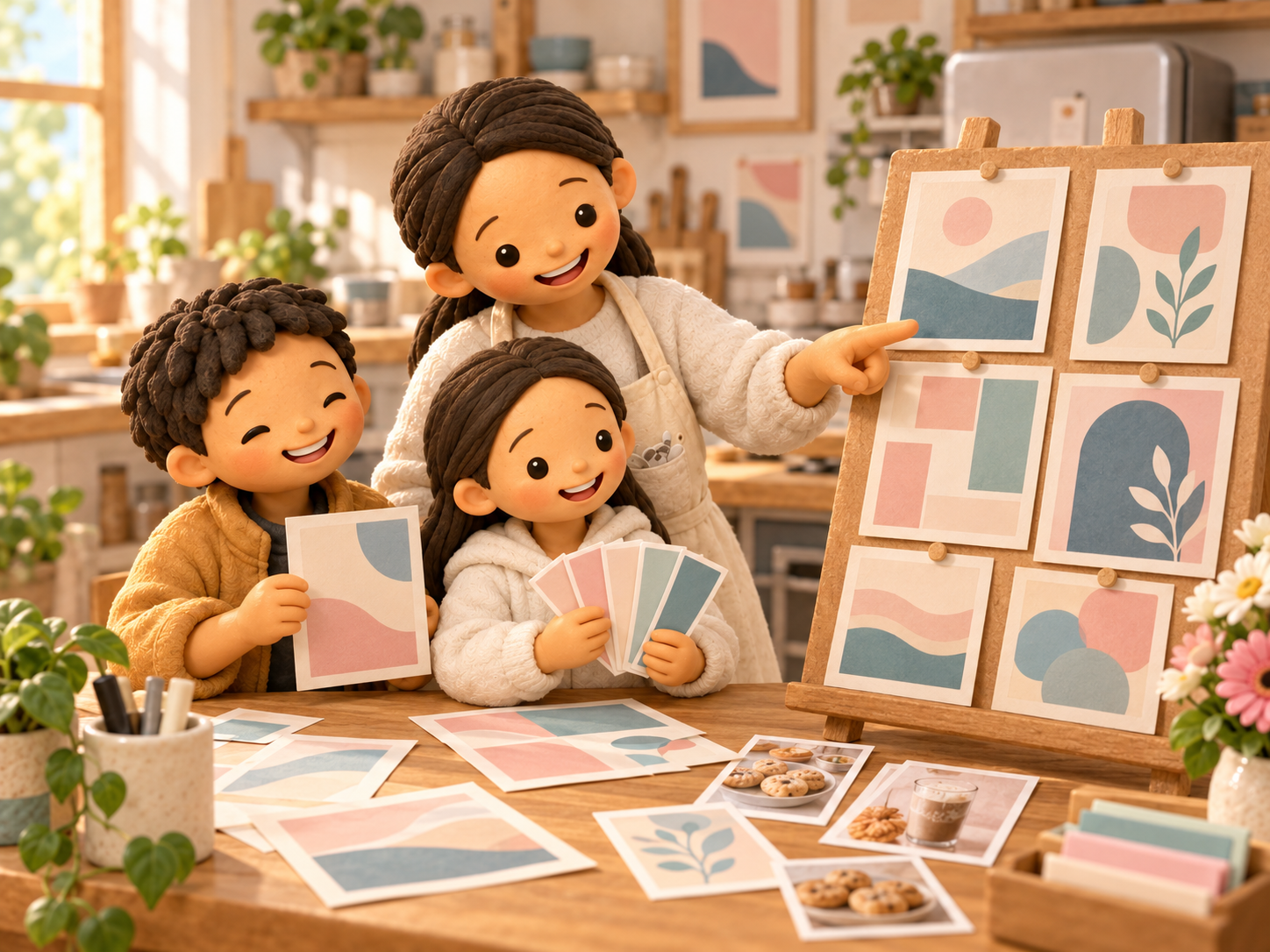
I wanted the agent to start with her finished images. There were cream backgrounds, pink brushstrokes, green headings, little hearts and leaves, but the layouts varied. Some images gave one dish most of the space; others brought several dishes together. Cindy’s menu changes from week to week, so I asked for room to change the layout while keeping that familiar feeling.
The skill we made starts by gathering the dishes, prices, portions and photographs from the new brief. It also has to work out which dishes belong together in each image. I had asked for seven posters, but that did not mean one poster for each day. Where the grouping is unclear, the agent is instructed to suggest a grouping and ask about the missing details. The older pictures supply style references; their prices and dates are not carried into a new menu.
I also asked it to keep the food photographs we supplied. The chosen method gives the image model the design work, with empty spaces for the photos. Then a separate step places the original food photo and our logo into the finished layout. The photo can be resized to fit, and the saved files let the agent check that the pixels came from that source. It does not need to ask the model to redraw the curry puffs.
That evening, the agent made one curry-puff poster as a demonstration. It used a cream-and-green design with pink details, then placed the original photograph in the middle. The final file was checked against the photo placement record and reconstructed with matching pixels. The visible wording was reviewed too, with text recognition used as an aid. Those checks covered this single example; its sample copy was not a new menu announcement.
At the end, the reusable skill was installed and saved in a package with references and instructions. A complete new batch of seven posters had not been run, and neither had a real spoken brief. We did not yet have feedback from Cindy using it. We had a checked example and a more concrete starting point for her next request, with her existing choices of colour and style kept in view.