A local-food email became a page in a magazine
Our free-publicity story now has a follow-up: AI helped us prepare the requested material, and Sydney Observer published a feature in its October issue.
In Part 10, I wrote about asking AI to find free ways to introduce Chloe's Mama Kitchen to the community. At that point, we could describe the research and the conversations, but could not claim published coverage. On 1 October, one of those conversations had a concrete result: Sydney Observer sent us our feature in its October issue.
The conversation began with a local-food story proposal in early September. After a follow-up, the editor replied on 21 September that they could consider it for the October issue. There was a deadline two days later. The next day, the brief became specific: a short family background, a short method for each of two signature dishes, and suitable photographs. The agent helped us turn that request into a manageable set of materials.
I supplied the family background, Cindy's accounts of the cooking methods, and our own photographs. The agent organised and shortened the material to fit the editor's requested lengths, selected four photos, and prepared the reply. Cindy's descriptions supplied the cooking facts. The agent could help with wording, but could not fill gaps in a recipe by guessing. We also kept her confidential wrapper formula out of the material.
After I approved the reply, the material was sent on 22 September. The agent checked the sent record and the four attachments. The editor acknowledged it the following morning. That was useful progress, but it still did not tell us that the story had been published. Keeping those stages separate helped us see what we were waiting for.
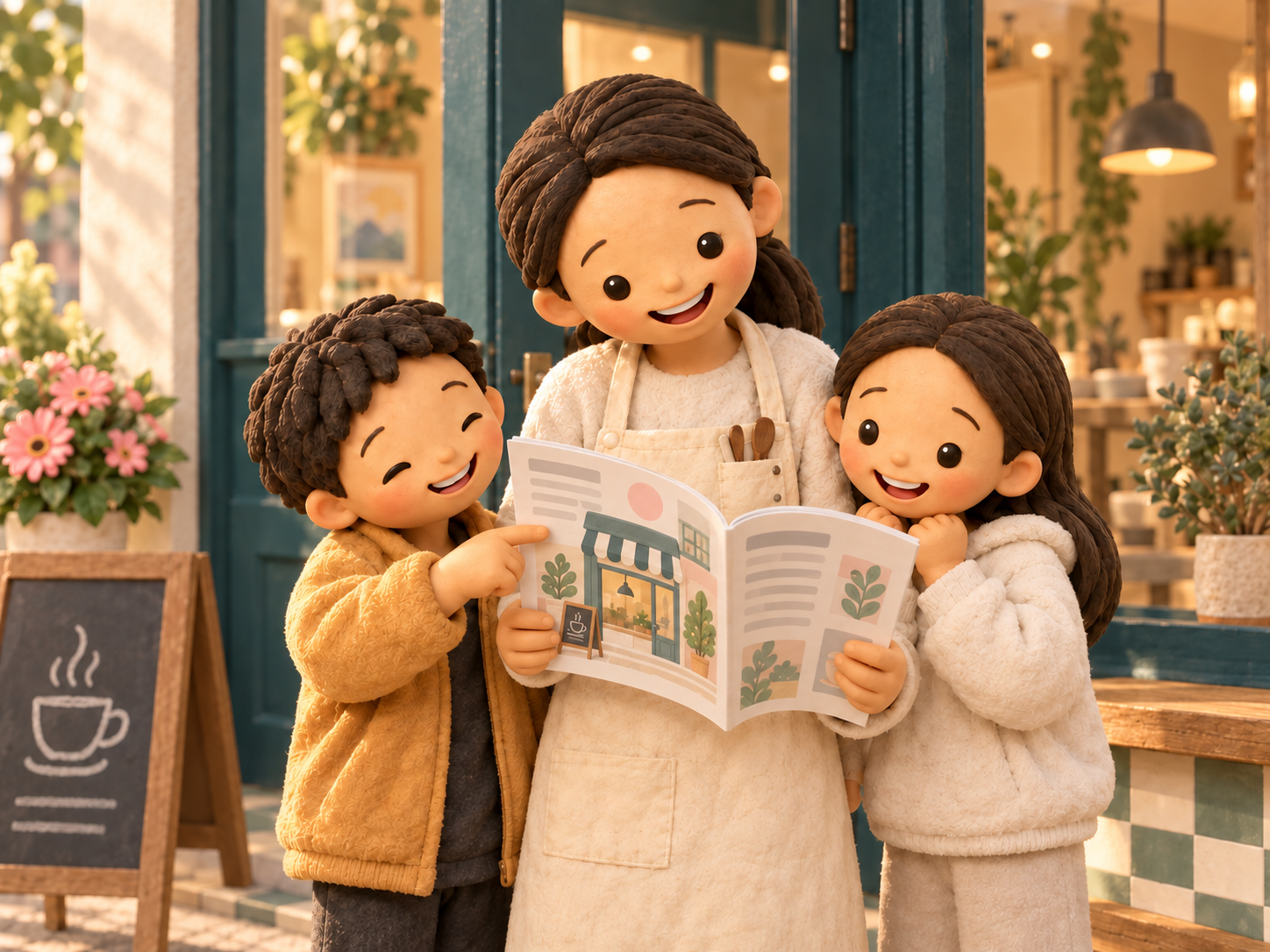
On 1 October, the editor sent the finished page and a link to the digital issue. We checked the page itself: Cindy in the shop, our curry puffs and peach-shaped rice cakes, and the kitchen's contact details were there. The digital issue also showed the feature on page 41. That gave us something more definite than a sent pitch or a positive email: a published piece we could point people to.
The editor also suggested meeting at the shop. We replied with thanks and explained the holiday closure and how to check our opening arrangements. A suggested visit is still a conversation, not a completed visit. We asked separately about sharing the full-page image; this diary links to the publisher's issue rather than reproducing that page.
For me, this is a useful continuation of the earlier outreach story. AI helped carry the work through the less visible stages: understanding the brief, organising source material, checking the reply and keeping track of the result. Cindy's food and our real family story gave the editor something to work with, and the publication remained their decision. We have not measured extra customers or sales from the feature. The result we can verify is the published page.