Trying a whole menu as an AI image
I asked for a separate set of menu images to compare with our usual design process. The trial produced six designs, but changing a few words also changed food details.
On 12 October, while our usual weekly-menu work continued in another session using Claude Design, I asked an agent to try a separate approach. Could its built-in image tool produce the whole menu image for our shop screens? I wanted a set of images I could compare. The request was for a trial alongside the existing process.
The agent used that week's menu data and supplied food pictures. It produced six menu images, two for each trading day, and added our existing Facebook QR image unchanged. Those were seven image files for the menu set. The QR code was decoded and checked against our page, rather than entrusted to a new drawing.
One early design included a bag of cookies that had no supplied photograph behind it. The agent removed that invented food image. Another problem appeared when the cookie collection wording was added to a later design: the soy-drink note disappeared and needed to be restored. A request to change some words had affected another part of the menu.
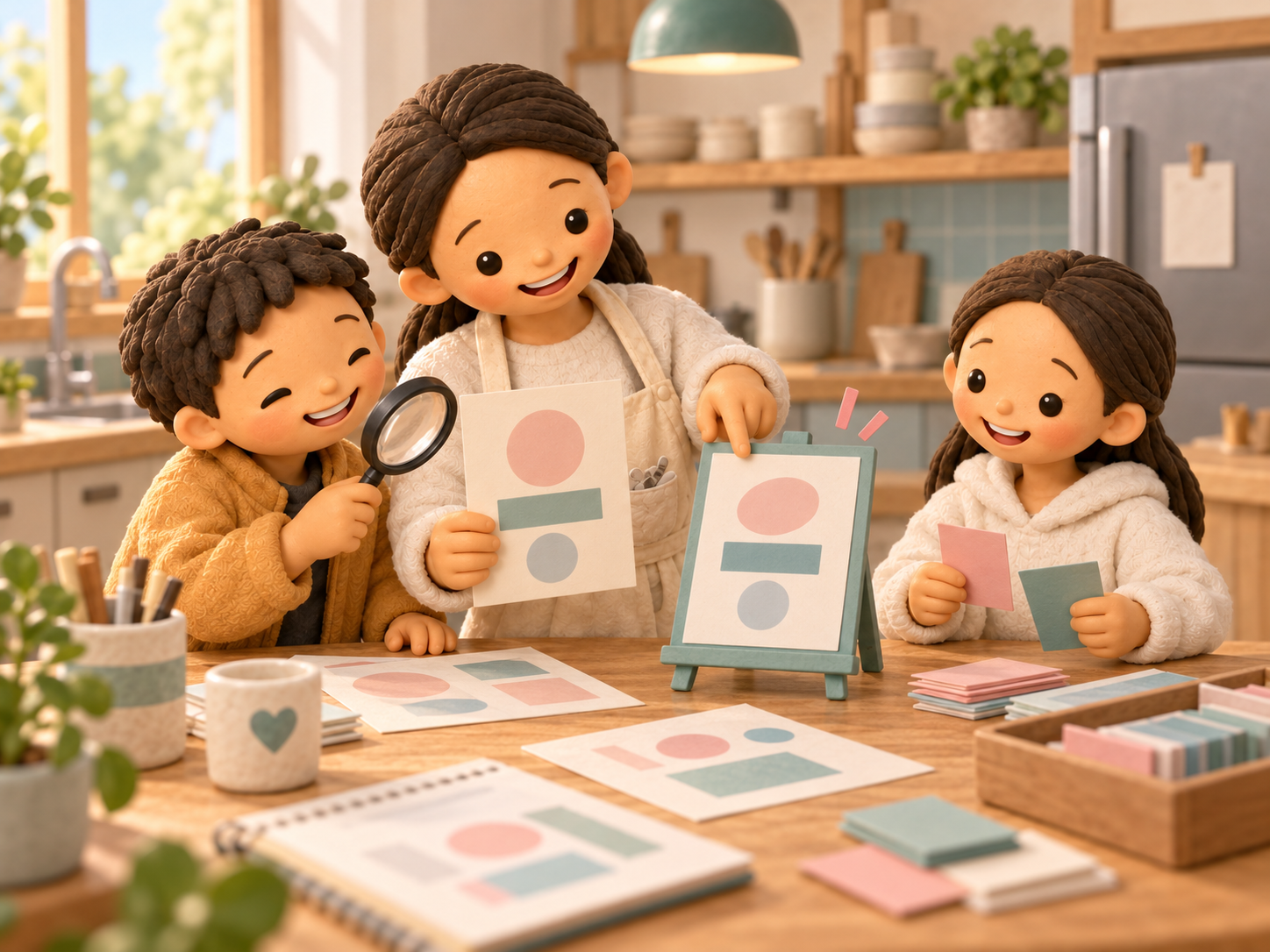
The review also caught changes inside the food pictures. Details in the Bubur Cha Cha cups and the pandan chiffon cake had shifted during the edits. That mattered even when the result still looked like the same kind of dessert. A customer-facing menu needs to show our food faithfully. The fictional family illustrations in this diary have a different, clearly labelled purpose.
The files had a more straightforward limitation too. The six generated menus were 1672 by 941 pixels in PNG format, below the required 1920 by 1080 JPG output for the usual screen package. The trial report kept those actual dimensions visible. At delivery that evening, there had also been no test on the shop televisions or check of reading the menus from across the room.
The completed trial gave me six designs and a record of the corrections and remaining problems. At the end of that evening's trial, it was delivered as a comparison set, without replacing the production menu process. The report proposed a possible next experiment: let image generation make decorative backgrounds, then place the original food photos, words, prices, logo and QR code into a fixed layout. That combination had not been implemented in this trial. For now, the useful result was knowing what still needed checking before a generated menu could go on the screens.